Dental implants are a popular and effective solution for replacing missing teeth. Implant insertion is the procedure that involves placing a titanium post (the implant) into the jawbone, acting as a root for a replacement tooth or bridge. Over time, the implant fuses with the bone in a process called osseointegration, providing a stable and durable foundation for the artificial tooth.
Here’s everything you need to know about implant insertion:
What is Dental Implant Insertion?
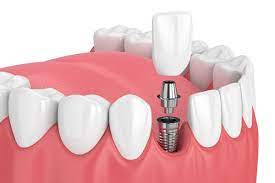
Implant insertion refers to the surgical process of placing a dental implant into the jawbone. The implant serves as a replacement root for missing teeth. The procedure usually consists of two main stages:
- Initial Surgery (Implant Placement) – The titanium post is surgically inserted into the jawbone.
- Restoration (Crown Attachment) – After the implant fuses with the bone, a custom-made crown or bridge is attached to complete the restoration.
Why Choose Dental Implants?
Dental implants offer several advantages over traditional dentures and bridges:
- Durability: Dental implants are designed to last for many years, even a lifetime with proper care.
- Natural Appearance: Implants mimic the look and feel of natural teeth, providing a seamless aesthetic.
- Stability: Since the implant is fused with the jawbone, it offers exceptional stability and strength for chewing and speaking.
- Preservation of Bone: Implants help prevent bone loss in the jaw, which can occur when teeth are missing.
The Implant Insertion Process
- Consultation and Planning:
- Before the procedure, your dentist will conduct a thorough examination of your oral health, including X-rays or 3D scans to evaluate the bone structure.
- Based on this, a treatment plan will be created to determine the appropriate size and placement of the implant.
- First Surgery (Implant Placement):
- Local anesthesia is used to numb the area where the implant will be placed.
- The dentist will make a small incision in the gum to expose the jawbone.
- A hole is drilled into the bone, and the titanium implant is carefully placed.
- The gum is then stitched closed over the implant, and the healing process begins.
- Healing and Osseointegration:
- The implant will need to heal for several months (typically 3-6 months), allowing it to fuse with the jawbone in a process called osseointegration.
- During this time, you may wear a temporary crown or bridge for cosmetic purposes.
- Second Surgery (Abutment Placement):
- Once the implant is fully integrated with the bone, a second minor procedure is performed to attach the abutment, which connects the implant to the restoration.
- Restoration:
- After the abutment is placed, the final crown, bridge, or denture is attached to the implant.
- The restoration is custom-made to match the color, shape, and size of your natural teeth, ensuring a seamless look.
Post-Operative Care and Recovery
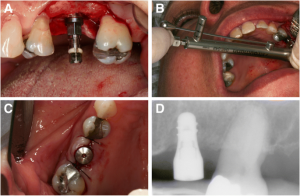
After implant insertion, proper care is crucial to ensure the success of the procedure. Here’s what to expect:
- Pain and Swelling: Some discomfort, swelling, or bruising around the surgical site is normal. Over-the-counter pain relievers are typically sufficient to manage this.
- Oral Hygiene: Maintain good oral hygiene by brushing and flossing carefully around the implant area to avoid infection.
- Diet: Stick to soft foods for the first few days and avoid hard or crunchy foods that may stress the implant site.
- Follow-Up Visits: Regular follow-up appointments will be required to monitor the healing process and ensure the implant is integrating properly with the bone.
Potential Risks and Complications
While dental implants are generally safe, there are some risks associated with the procedure:
- Infection: Infection at the implant site can hinder the healing process.
- Implant Failure: In rare cases, the implant may fail to integrate with the bone, requiring removal and replacement.
- Nerve Damage: There’s a slight risk of nerve damage, especially if the implant is placed too close to sensitive nerves.
Is Implant Insertion Right for You?
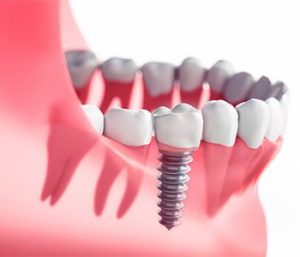
Dental implants are a suitable option for most people who have lost a tooth or multiple teeth. However, there are some factors to consider:
- Bone Density: Adequate bone density is required for implant placement. If the bone has deteriorated due to missing teeth, a bone graft may be necessary.
- Overall Health: Conditions like diabetes or smoking can affect the healing process and increase the risk of complications.
Conclusion
Implant insertion is a highly effective and long-lasting solution for replacing missing teeth, offering significant benefits in terms of appearance, function, and bone health. With advancements in dental technology, the procedure has become more accessible and successful. If you’re considering dental implants, consult with an experienced dentist to determine if you’re a suitable candidate and to develop a personalized treatment plan.
By understanding the implant insertion process and following your dentist’s care instructions, you can achieve a natural-looking and stable solution for your missing teeth.