Root canal treatment is a common dental procedure designed to save teeth that are severely damaged or infected. If you are experiencing tooth pain or have been advised by your dentist to undergo this treatment, understanding the process, benefits, and aftercare can help you make an informed decision. Here, we explore what root canal treatment is, why it is necessary, and how it is performed.
What is Root Canal Treatment?
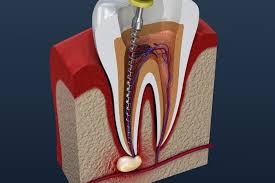
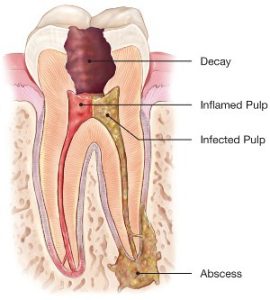
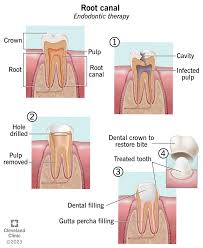
Root canal treatment, also known as endodontic therapy, is a dental procedure aimed at removing infected or damaged pulp from the inside of a tooth. The pulp is a soft tissue located in the tooth’s root canals, containing blood vessels, nerves, and connective tissue. When this tissue becomes infected due to decay or injury, it can cause severe pain and lead to further complications.
Why is Root Canal Treatment Necessary?
Root canal treatment becomes essential in the following scenarios:
- Severe Tooth Decay: Untreated cavities can reach the pulp, causing infection or inflammation.
- Cracked or Chipped Tooth: Injuries can expose the pulp to bacteria, leading to infection.
- Repeated Dental Procedures: Frequent treatments on the same tooth can irritate the pulp.
- Abscess Formation: An untreated infection can form a painful abscess at the tooth’s root.
Without treatment, the infection can spread to other parts of the mouth, jawbone, or even the bloodstream, posing serious health risks.
How is Root Canal Treatment Performed?
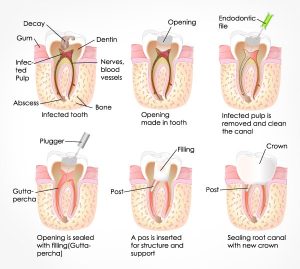
The procedure typically involves the following steps:
1. Diagnosis and Preparation
Your dentist will examine the tooth using X-rays to determine the extent of the damage. Local anesthesia is administered to numb the area, ensuring a painless experience.
2. Removing the Infected Pulp
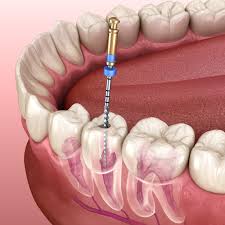
A small opening is made in the tooth’s crown to access the pulp chamber. Using specialized tools, the dentist carefully removes the infected or dead pulp.
3. Cleaning and Shaping the Canals
The root canals are cleaned, disinfected, and shaped to prepare them for filling. This step ensures no bacteria or debris is left behind.
4. Filling and Sealing
The cleaned canals are filled with a biocompatible material, usually gutta-percha, to prevent reinfection. The tooth is then sealed with a temporary or permanent filling.
5. Restoring the Tooth
In most cases, a crown is placed over the treated tooth to restore its strength and functionality. This is usually done in a follow-up visit.
Benefits of Root Canal Treatment
Root canal treatment offers several benefits, including:
- Pain Relief: Eliminates toothache caused by infection or inflammation.
- Preservation of Natural Teeth: Saves the natural tooth, avoiding extraction.
- Improved Oral Health: Prevents the spread of infection to other teeth and tissues.
- Enhanced Functionality: Restores normal chewing and biting function.
Aftercare Tips for Root Canal Treatment
To ensure a smooth recovery and long-term success, follow these aftercare tips:
- Maintain Oral Hygiene: Brush and floss regularly to keep your teeth clean.
- Avoid Hard Foods: Refrain from chewing hard or sticky foods on the treated tooth until fully restored.
- Follow-Up Appointments: Visit your dentist for regular check-ups and to place a permanent crown if required.
- Manage Pain: Over-the-counter pain relievers can help alleviate post-procedure discomfort.
Common Misconceptions About Root Canal Treatment
- It’s Painful: Modern dentistry ensures the procedure is virtually pain-free with local anesthesia.
- It Causes Illness: There is no scientific evidence linking root canals to systemic diseases.
- Extraction is Better: Preserving your natural tooth is always the preferred option, as it maintains your oral structure and functionality.
Conclusion
Root canal treatment is a safe and effective way to treat severe tooth infections and save natural teeth. With advancements in dental technology, the procedure has become quicker and more comfortable than ever. If you suspect you need a root canal or are experiencing persistent tooth pain, consult your dentist promptly to protect your oral health.
By understanding the importance of root canal treatment, you can approach the procedure with confidence and ensure the longevity of your natural smile.